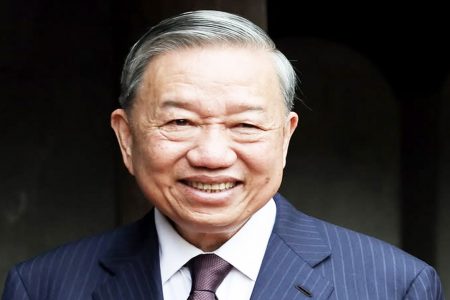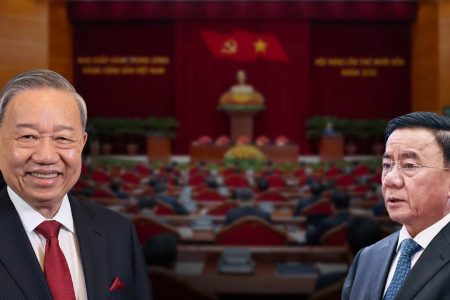
On September 23, 2026, in New York, on the sidelines of the United Nations General Assembly High-Level Week, Senator Steve Daines, a member of the U.S. Senate Foreign Relations Committee, did not “hold back” in praising General Secretary and President To Lam.
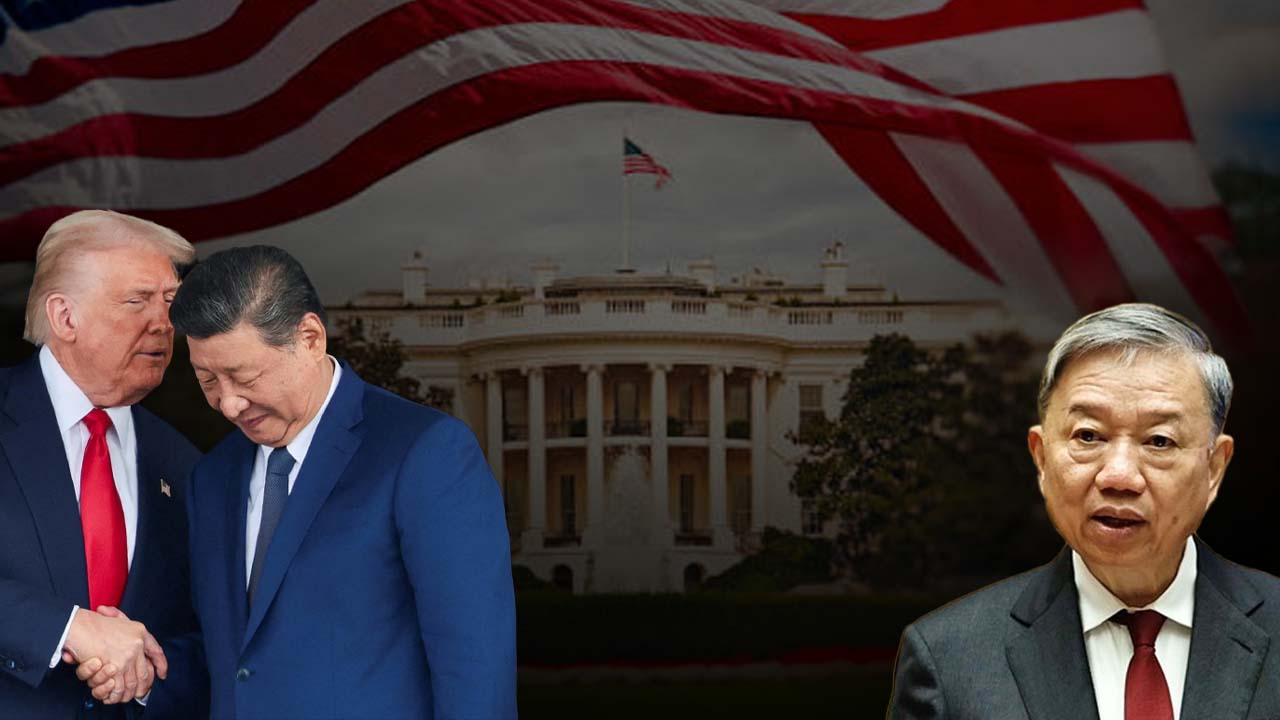
Assessing the Vietnamese leader’s speech, Mr. Daines affirmed that “the world needs more responsible nations and visionary leaders like Mr. To Lam.”
Immediately, this statement became the focal point of state media and was exploited to the fullest extent. In contrast, the Vietnamese leader’s lackluster address at the United Nations forum seemed to fall on deaf ears.
This has led international observers to raise questions: Could this simply be a staged media event—a mere polite gesture of praise intended to polish Mr. To Lam’s image?
Notably, this suspicion is further substantiated by a fact pointed out by public opinion: Although he has visited the United States three times in his capacity as head of state, Mr. To Lam has yet to receive an official state visit invitation from President Donald Trump.
Even setting aside the nature of multilateral diplomacy and international protocol, Mr. To Lam’s recent trips to the U.S. have primarily been linked to United Nations sessions in New York.
According to international practice, heads of state attending multilateral conferences do not visit the U.S. at the invitation of the U.S. President. The fact that Mr. To Lam has not yet made a visit to the White House does not reflect any coldness or diplomatic failure with the Donald Trump administration.
However, the true nature of current U.S.-Vietnam relations does not lie in flashy statements or superficial red-carpet ceremonies, but is instead dominated by an extremely tense figure: 114 billion USD.
This figure—Vietnam’s record trade surplus with the U.S. in the first half of 2026—has made Vietnam Washington’s largest trade deficit partner, surpassing both China and Mexico. It is also a direct consequence of the shift in supply chains away from China to avoid tariffs imposed under Beijing’s policies.
This has caused the United States particular concern, leading it to continuously conduct Section 301 investigations into origin fraud and to suspect that Vietnam is a transit point for Chinese goods that are relabeled to enter the U.S. market.
This is the biggest “stumbling block”—a make-or-break test of leadership—and the reason why U.S. President Donald Trump has still not invited To Lam for an official visit to the United States.
And it is precisely why, during a recent live interview with international media in New York, Mr. To Lam did not evade the issue by “confessing before being questioned.”
Accordingly, the Vietnamese leader flatly rejected the allegations of transshipping goods for China, while affirming that “trade must be substantive, and products must be made by the Vietnamese people themselves.”
More importantly, rather than getting bogged down in protracted legal disputes, Mr. To Lam proactively sought to appease Washington by committing to increase imports of U.S. goods, thereby automatically narrowing the trade deficit between the two countries.
According to international observers, the U.S. is in need of a secure alternative supply chain in Southeast Asia, while Vietnam must, at all costs, maintain its vital export market.
Therefore, Senator Steve Daines’ remarks merely reflect the recognition by a segment of the American public of how Vietnam positions itself as a pragmatic and responsible trading partner.
The Vietnamese government and Mr. To Lam should remember that Vietnam-U.S. relations do not operate on the basis of empty rhetoric or pointless social gatherings.
Rather, they must be guided by a fair balance of economic and strategic interests that benefit both sides.
Tra My – Thoibao.de